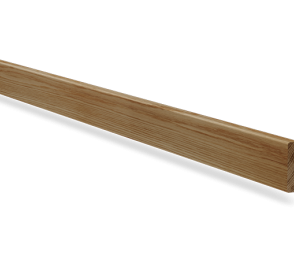
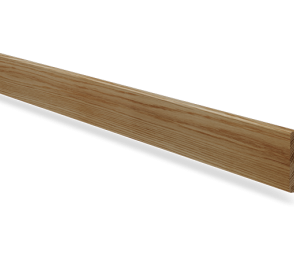
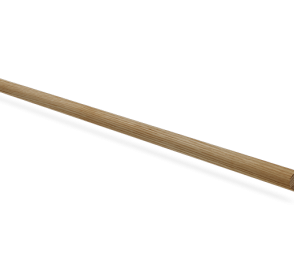
Cover strips
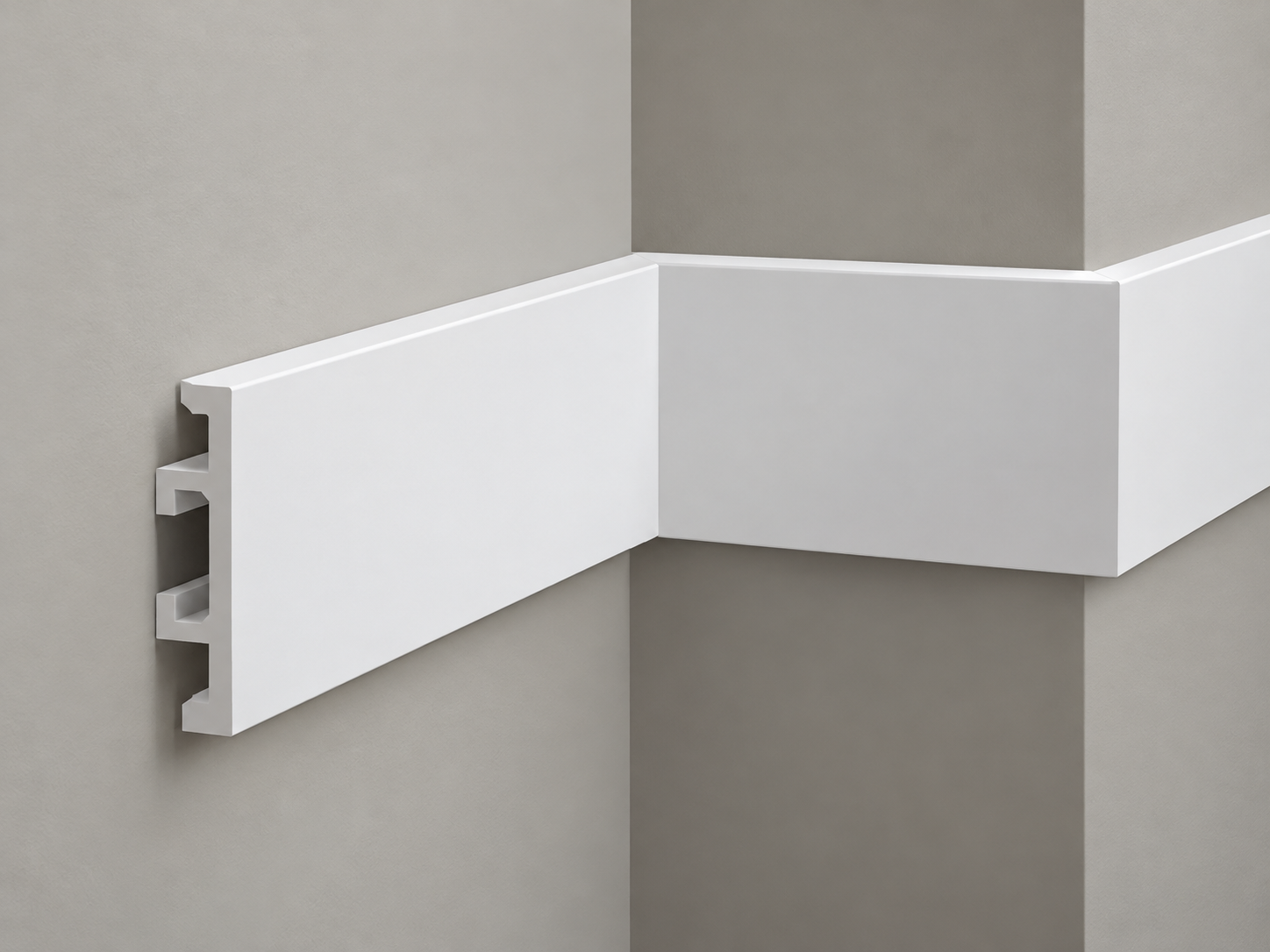
Cover strips help hide material joints, seams and small finishing gaps, giving the surface a clean and tidy look. They are used, for example, along the edges of wall panels, around windows and doors, and anywhere else the transition between two surfaces needs covering.
When choosing a cover strip, its width, thickness and profile matter. The strip has to cover the gap and suit the surrounding surfaces. A thin, smooth strip gives a discreet result; a wider or shaped profile can also be a...Loe rohkem
Cover strips help hide material joints, seams and small finishing gaps, giving the surface a clean and tidy look. They are used, for example, along the edges of wall panels, around windows and doors, and anywhere else the transition between two surfaces needs covering.
When choosing a cover strip, its width, thickness and profile matter. The strip has to cover the gap and suit the surrounding surfaces. A thin, smooth strip gives a discreet result; a wider or shaped profile can also be an interior design detail.
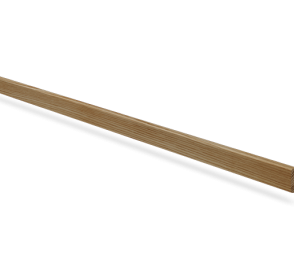
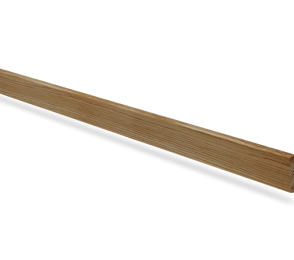
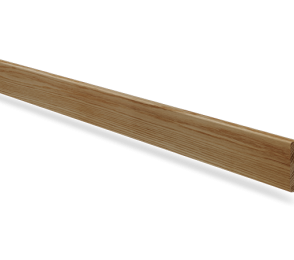
Cover strips are made of, for example, wood, MDF and plastic. A wood-tone strip suits naturally finished surfaces; a painted strip can be matched to the wall, the door or other trims. When choosing the material and finish, consider the moisture, cleaning and wear at the place of use.
Accurate measuring, clean cuts and fixing suited to the substrate ensure a good result. A well-chosen cover strip makes joints less noticeable and helps create a complete finish.
Loe vähem